

 An Introduction to Food Use Biocides under Chinese Disinfectant Regulations
China's food and catering market has grown rapidly and with this growth we have also seen an increase in usage of food use disinfectant products which has led to concerns revolving around food safety. China’s disinfection legal framework is seriously underdeveloped compared with EU and the US who have established complete assessment, registration and authorization system of biocides and food contact substances/materials. In this analysis, we will explore the scope and limitation of Chinese food use disinfectants regulations, as well as the pitfalls to look out for when accessing China’s emerging market.
Inventory Management of Food-Use Disinfectants
In 2010, former NHFPC issued the “Inventory of Raw Materials/Ingredients for Food-Use Disinfectants”(hereinafter as “the Inventory”), consisting of 47 active ingredients and 21 raw materials allowed for use in the disinfection of food, tableware, food-contact instruments, equipment and packing materials, as well as food containers. Furthermore, food additives that included into the “GB 2760-National Food Safety Standard for Food Additive Use” can also be used as auxiliary components in food-use disinfectants.
 Agricultural Sustainability and Challenges to China’s National Food Security
China's population is estimated to peak by 2030 reaching 1.5 billion and per capita food demand will be stable at 500 kg annually. To maintain self-sufficiency in food supply, China needs to increase grain output from 617.9 million tons in 2017 to 634 million tons by 2020 and 700 million tons by 2030. This article will take a look at the historical data on grain production and agricultural technology in recent decades. We will also look at the major challenges facing China such as environmental issues, decreased arable land and slow growth in productivity.
 Mandatory Premarketing Testing of Disinfectants and Sterilizers/Disinfectors in China
Since the last time NHFPC/NHC approved new disinfectant or sterilizer/disinfecting apparatus was back in 2014, when the management of existing products was delegated to provincial departments, hygienic and safety assessment became the only feasible way to have access to the disinfectants and sterilizers market in China. To help improve compliance with China’s disinfectant/sterilizer regulations, this article will focus on the enforceability and most practical issues involved in the premarketing assessment of disinfection products.
 China NHC Considers Inventory Management on Antimicrobial Agents
On 25 Apr 2018, Shanghai NHC hosted an internal workshop to clarify common technical and regulatory issues which arose during the trial opening of the national electronic filing system of disinfection products. The new system collects safety assessment reports, product information and company details of all existing disinfection products. It was also revealed that a new inventory of antimicrobial ingredients is expected to be released this year which will define the scope of general household products and disinfection products. In future household products using biocidal ingredients and ambiguous efficacy labeling claims will no longer be able to evade filing or NHC's apprval requirements.
 China Renews Technical Regulation for Quaternary Ammonium Disinfectants
China NHC recently revealed that the amendment to the national standard, “GB 26369-2010 hygienic standard for quaternary ammonium disinfectants”, has been finalized and the revised edition has been submitted to the SAC (Standardization Administration) for final approval.
 Regulatory Status of Disinfectant Wet Wipes in China
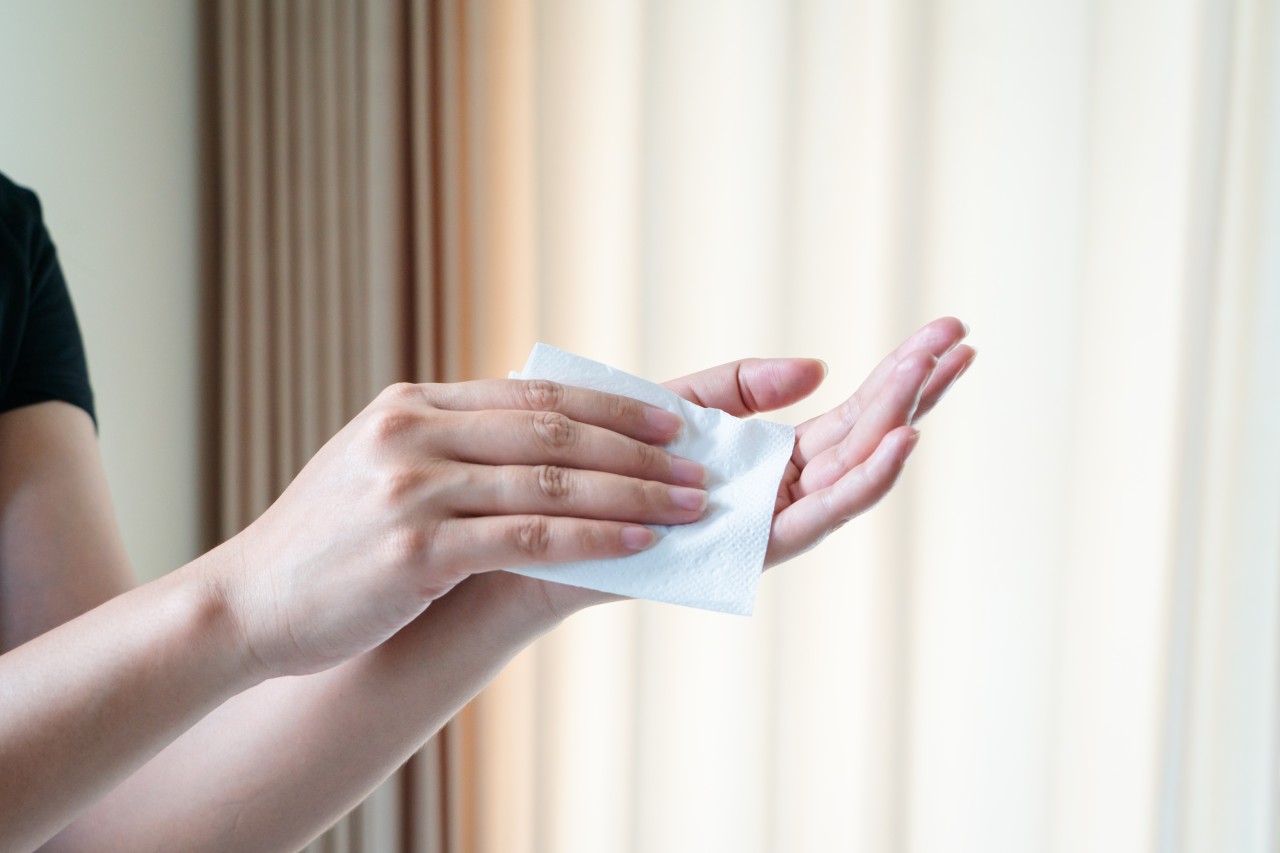
In China, disinfection products are defined as disinfectant, sterilizing agent, antimicrobial agent, medical/common disinfector/sterilizer, packed-sterilized articles with sterilization marking, biological and chemical indicators of sterilization effect and various hygiene products including wet wipe and hygiene/disinfection wipes. The definition, classification, national registration/ provincial record filling of novel/existing disinfectant and sterilizer are complete while the legal framework of other disinfection products types is comparatively absent. As disinfectant-carrying wipes are rapidly developing in China, the term “vehicle disinfectant” has been proposed by the NHFPC/NHC and would affect regulation of certain consumer products.
With the rise of emerging infectious diseases such as SARS and human avian Influenza and so on, a sort of wet wipes called "hygiene wet wipe" or "disinfection wet wipe" have appeared on the market and are developing rapidly in China. As wet wipes are traditionally categorized as hygienic products and exempted from premarketing evaluation on its antimicrobial/disinfection claims, safety concerns have long been discussed by regulators. In this article, we will explore the statutory definition, classification, technical criteria, and regulatory forecast of wet wipes.
Evolution of Product Definition
Wet Wipes refer to fabric or paper-based products used for the cleansing/ germicidal/disinfecting of human body, common surface and other surfaces. The hygienic and germicidal criteria for wet wipe were firstly specified under the “GB 15979-2002: Hygienic Standard for Disposable Sanitary Products” together with other disposable products such as gloves, respirators, sanitary napkins and diapers, etc.
In 2011, China issued a national standard exclusively for wet wipes, the “GBT/27728-2011: Wet Wipes”, which classifies wet wipes into human-use wipes and article-u
2018-05-08
China NATESC Warns against Pest Resistance to Chlorantraniliprole and Penoxsulam
Last month, China NATESC (National Agricultural Technology Extension Service Center) reported the pest resistance monitoring results of 2017. 60 sites in 19 provincial areas were investigated, covering 21 patent or off-patent pesticides including chlorantraniliprole, penoxsulam, quinclorac, dinotefuran, bensulfuron, bispyribac and clodinafop-propargyl etc. The center pointed out that the main pests and diseases in food crops have developed significant resistance to the most commonly used pesticides and there is an urgent need of integrated and rotational measures and development of better system to monitor risk and assessment of pest resistance.
2018-05-07
China to Compile Pesticide MRL Standard for Imported Agricultural Commodities
On 24 and 25 Apr 2018, an official training course on developing national pesticide MRL standard was held in Jiangsu. The event was organized by MoARR and was attended by ICAMA’s head agronomist Ms. Ji Ying. Ms. Ji revealed that the new version of GB2763 will be published this year and that a technical guidance on MRL establishment targeting imported agricultural products would also be drafted.

2018-05-03
China MoARA Starts National Butachlor Production Survey
On 16 Apr 2018,Shandong ICA (Institute for the Control of Agrochemical, the provincial unit of ICAMA) opened a 45-day investigation on butachlor production and usage nationwide. In 2016, MoA initiated the revaluation on butachlor and 7 other active ingredients and an internal probe was opened to assess the provincial department. The national survey was organized by Shandong ICA under the delegation from the MoA/MoARR. Domestic butachlor producers are required to fill and submit 3 questionnaires by 31 May 2018.

2018-04-27
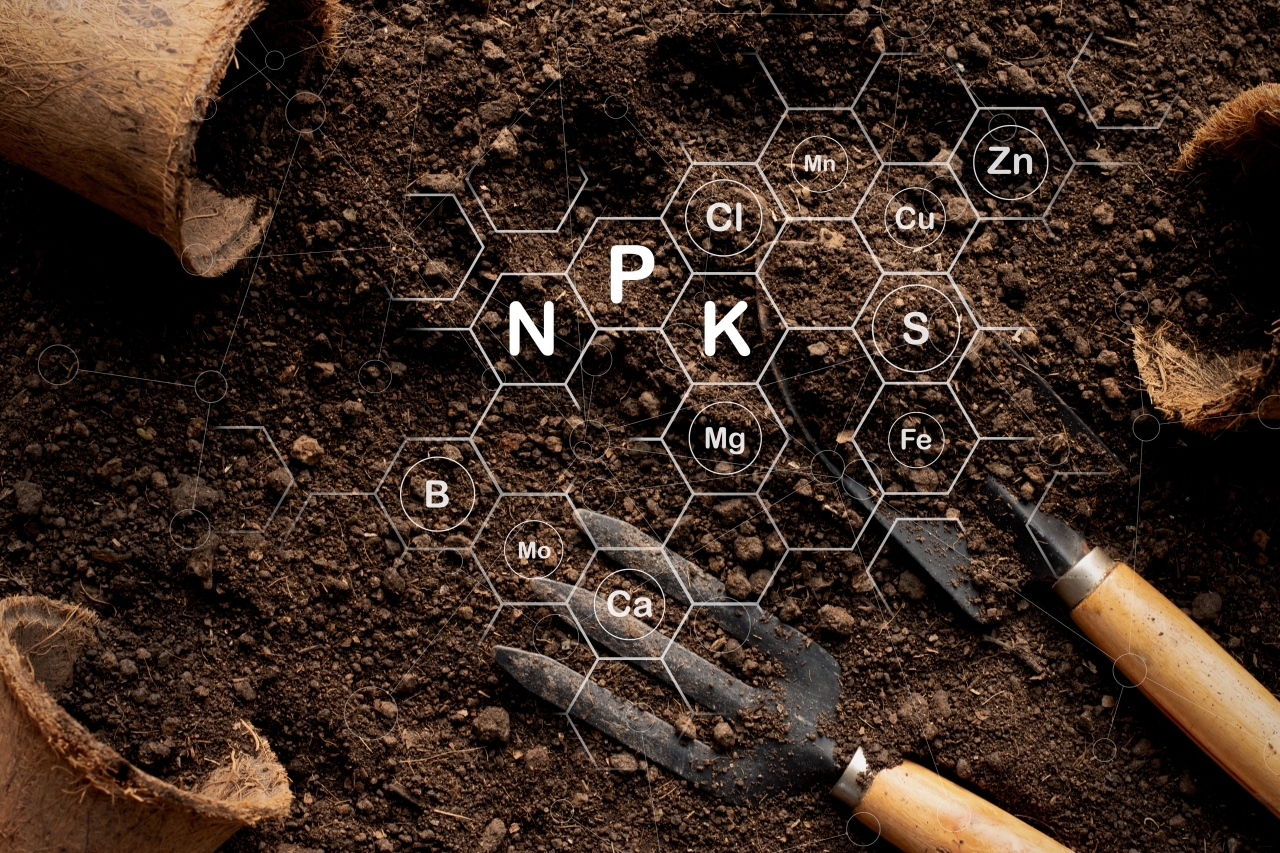
12 New National Fertilizer Standards to be implemented on 1 Jul 2018
On 1 Jul 2018, China will implement 12 new national standards for market surveillance of fertilizer products, including 6 product standards, 4 quality inspection methods and 2 classification criteria for humic fertilizers, compounded fertilizers, urea, calcium superphosphate, ammonium nitrate, liquid ammonia, fulvic acids for agricultural use and stabilized fertilizers (synergized fertilizers).
Most Popular
Opinions or requests
Please enter your opinions or requests regarding this site in the space below.
Submit