


 China Grants GMO Approval to Grain Crops for the First Time in a Decade
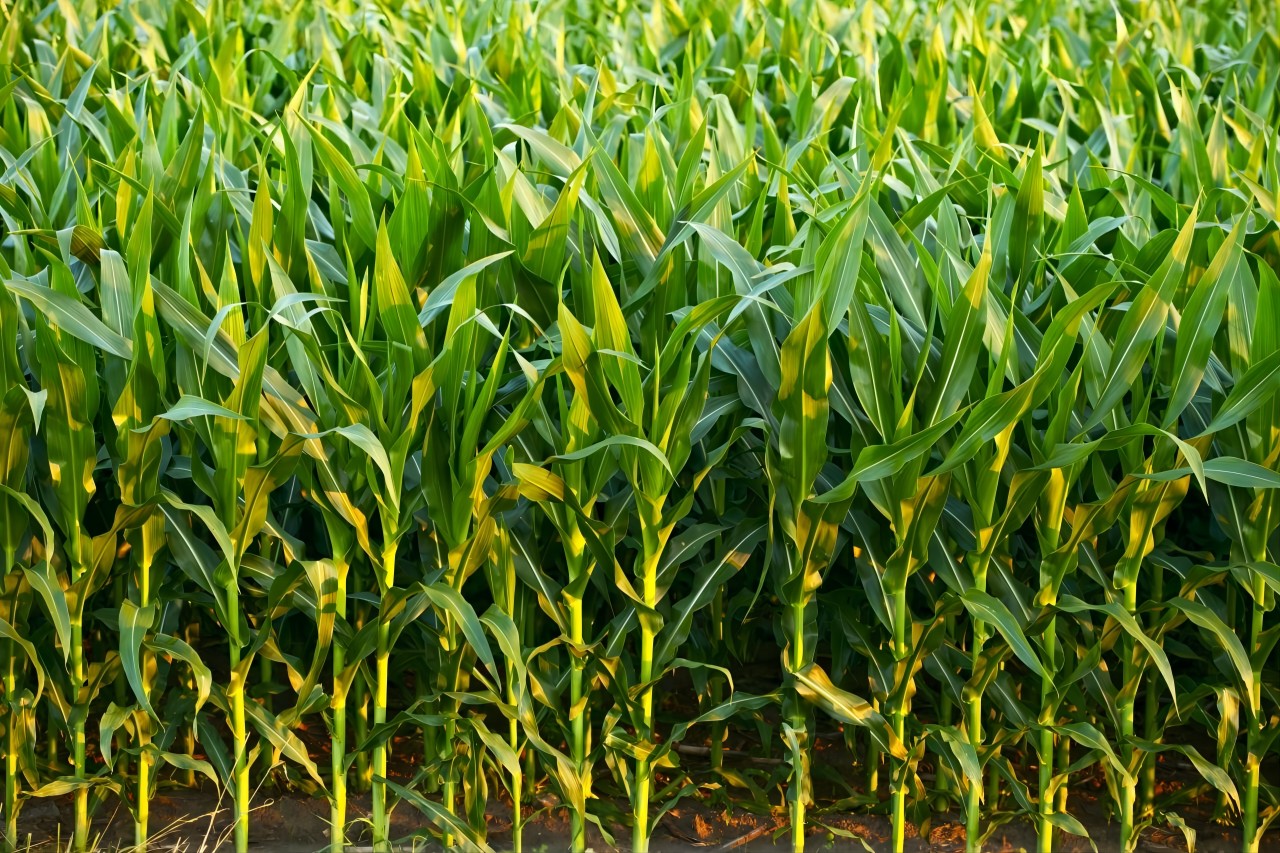
On 30 Dec 2019, the Chinese Ministry of Agricultural and Rural Affairs released 192 GM crops to be issued with GMO safety certificate, of which 3 were homegrown grain crops with herbicide-tolerant and insect-resistant traits. Since the last time China approved food GM crops was in 2009, this move was interpreted by some analysts as another attempt to promote the commercial plantation of GM grain crops. Seed companies thus became increasingly sought after by investors on the stock market as GM grain crops would be commercially planted as soon as the next 2 or 3 years.
Homegrown GM Food Crops
Only GM crops issued with GMO biosafety certificates can be imported and consumed in China, but there are two more administrative steps to commercializing a plantation: the crop variety examination and the seed license. In 2009, MoA (now known as MoARA) issued 3 GMO safety certificates to 2 insect-resistant rice varieties developed by HZAU( Huazhong Agricultural University) and 1 transgenic phytase maize co-developed by CAAS( Chinese Academy of Agricultural Science) and Origin Seed, but the remaining procedures were stalled due to strong public opposition after a series of GM food-related scandals.
The GM grain crops announced this time are 2 maize and 1 soybean developed by indigenous institutions, and the traits and permitted planting regions are as follows:
GM Food Crop
Developer
Trait
Region
DBN Maize
Da Bei Nong Group
Bt Cry1Ab, CP4 EPSPS
Spring maize zone in Northern China
Dual-resistant Maize
Ruifeng Biotech and Zhejiang University
Cry1Ab/Cry2Aj, G10evo EPSPS
SHZD Soybean
Shanghai Jiao Tong University
Glyphosate-tolerant
soybean zone in Southern China
Analyzing Necessity
Given the fact that no biosafety certi

2020-02-04
China NHC Releases Interim Measures for the Emergency Use of 4 Disinfectants
In response to the tension supply of disinfectants caused by 2019 Novel Coronavirus, the National Health Commission announced on Feb. 3 that disinfectants containing alcohols, chlorines, chlorine dioxide and peroxyacetic acid can be temporarily exempted from full record-filing formality at provincial health department.

2019-12-30
China Pilots Quality Certificate System of Agricultural Products
On 18 Dec 2019, the Chinese Ministry of Agricultural and Rural Affairs issued the “Plan for the Trial Implementation of Quality Certificate of Agricultural Products Nationwide”, aimed to promote safety and correctly use of pesticides, veterinary drugs and other agricultural inputs. Indigenous growers and farmer above designated size need to issue the quality certificate prior to placing their agricultural products on the market.

2019-12-25
China MoARA: Chemical Fertilizer and Pesticide Utilization Efficiency Has Been Steadily Improved

2019-12-24
MoARA Warning 20% of Organic Fertilizers Produced Are Substandard
On Dec 20, 2019, the Chinese Ministry of Agricultural and Rural Affairs release the result of national supervisor and spot inspection on fertilizer during the second half of the year. The overall qualification rate was 86.9% but the qualification rate of organic fertilizer was less than 80%, mainly due to disqualified water content, organic matter content and excessive microbial contaminants.

2019-12-23
China Promulgates Mandatory Limits of Hazardous Substances in Fertilizers
On 17 Dec 2019, the State Administration of Market Regulation and the Standardization Administration Commission jointly issued the mandatory national standard, “GB 38400-2019 Limitation Requirements of Toxic and Harmful Substance in Fertilizers”, which will take effect on 1 Jul 2020.
 Interpreting the GB 2763-2019 and Forecasting China’s Pesticide MRLs Regulation
On 15 Aug 2019, the National Health Commission, the Ministry of Agricultural and Rural Affairs and the State Administration of Market Regulation jointly issued the “GB 2763-2019 National Food Safety Standard: Maximum Residue Limits of Pesticides in Foods”, which will take effect on 15 Feb 2020. The one major new feature in this release is that the number of MRLs in GB 2763-2019 for the first time exceeds those developed by Codex Alimentarius Commission (CAC standard), the most universally recognized pesticide MRL standard in the world, marking another new step forward in food safety and agricultural trade. In this article, we will explain the evolution if this regulation and introduce its main features based on comparative analysis, sharing some prospects on the future trend of China's pesticide MRL regulation.
large
Numbers of MRLs for Food Categories Specified by GB 2763-2019
Recent Updates
In the past, the former Ministry of Health (now referred to as NHC) was mainly responsible for developing pesticide MRLs in the form of food hygienic safety standards, while the Ministry of Agriculture (now referred to as MoARA) also developed a series of MRLs as quality standards for agricultural commodities. Until 2009, China enacted the Food Safety Law and MoA was designated to develop pesticide MRLs and relevant testing methods. The ministry began to organize the previously disparate MRLs and released the first unified MRL regulation, GB 2763-2012, which has then been revised amost every 2 years:
Development of GB 2763 Series: a Full Timeline
Code
year of issue
Number of Pesticides
Number of MRLs
GB 2763-2012
2012
322
2293
GB 2763-2014
2014
387
3650
GB 2763-2016

2019-10-11
China to Implement 2191 Food MRLs for Veterinary Drug(GB 31650-2019) from 1 April 2020
Recently, the Ministry of Agricultural and Rural Affairs, the National Health Commission and the State Administration for Market Regulation jointly issued the national MRL standard for veterinary drugs in food, GB 31650-2019. A total of 2197 MRLs for 267 veterinary drugs in animal products will take effect on 1 April 2020, essentially covering the veterinary drugs and animal products used in China.
 An introduction to the Preferential Policies for Biopesticides in China
On 6 Aug 2019, the Ministry of Agricultural and Rural Affairs disclosed a response to the suggestions and proposals regarding the extension of biopesticides from the NPC deputies. The ministry publicly clarified its policy support to biopesticides and hope this product category can play an expanded role in the national action plans of chemical pesticide substitution and agricultural quality enhancement. In this article, we will introduce China’s concrete efforts toward green development, but most importantly, we hope a contrastive analysis on the data gap between conventional pesticides and 3 typical biopesticides could help agrochemical companies to determine the tactical and effective strategic implementation for the market entry of biopesticides in China.
Most Popular
Opinions or requests
Please enter your opinions or requests regarding this site in the space below.
Submit