


2017-03-29
China MoA to Form 9th National Pesticide Registration Expert Committee
On 20 Mar 2017, China MoA circulated an official letter concerning the formation of the 9th National Committee on Pesticide Registration. In response to the newly revised pesticide regulation and the expiration of the 8th Committee, MoA plans to assemble a new group of experts to conduct technical review of pesticide registration. The new committee will be composed of about 130 experts recommended by MIIT, MEP, NHFPC, AQSIQ, SAWS and CFDA. MoA is responsible for the committee organizational structure, personnel and verification of the qualifications of experts.
 Biopesticides in China
Biopesticides are certain types of pesticides derived from such natural materials such as animals, plants, bacteria, and certain minerals. For example, canola oil and baking soda have pesticidal applications and are considered biopesticides. From the legislative/regulatory perspective, in China Biopesticide is considered as a type of pesticide category which belongs to biological pest control (kill or inhibit harmful organisms by biological measures). Different countries or regions have different definition and scope of biopesticides. Please refer to the table below for the scope of biopesticide in different countries or regions.

2017-03-27
Overview of Chinese Pesticide Exportation in 2016
By the end of 2016, Chinese pesticide exportation totaled 1,373,452.93 million tons, amounting to some 5.6 billion USD, representing consecutive year-over-year declines of 9.08% and 22.88% respectively. During the first half of the year, the volume and value fell a further 21.8% and 33% compared with the same period a year earlier. Overall the market decline in H1 was slightly offset by a rebound in H2.
large
Fig 1.China Pesticide Exportaion-volume and value of techinical and formulations from 2011-2016
The value of exports has been enhanced by exportation of more formulated products than technical materials and the percentage of formulations has grown from 53.58% in 2011 to 64.07% in 2016. Another aspect to note is that purchases were clustered around a few key trade partners. The value percentage of formulated product imported by the top 10 export destinations saw a 7% increase over the last 3 years, indicating that Chinese producers are oriented toward several lucrative markets.
large
Fig 2.China Pesticide Exportation-value percentage of techinal and formulations sourced by top 10 destinations formulations(2014-2016)
Of all the 160 destination countries/regions worldwide, the top 30 destinations sourced over 80% of the pesticide. Asia sourced 45.293 tons or 1.74 billion USD of pesticides from China, followed by Latin America, Africa, North America, Europe and Australasia. The percentage of each continent varied little in both volume and value terms compared with the same period last year.
large
Fig.3 China Pesticide Exportation-Volume and Value Percentages of Pesticide Imported by Regions 2015vs2016
The top 14 Asian destination countries sourced 28.1% of the pesticides: India, Vietnam, Indonesia, Thailand, Pakistan, Japan, Malaysia, Israel, Turkey, Singapore, Iran, Korea, Philippine and Bangladesh;
The major destinations in Latin America were: Brazil, Argenti
 Registration Status and Potential Candidates for Revaluation of Pesticides Used on Vegetables in China
Risk assessment of pesticides has been given higher priority in recent years. Reform of Chinese pesticide regulations has seen increasing restrictions/prohibition place on many pesticides. In terms of the money an enterprise must spend during registration, registering a pesticide for use on vegetables offers no clear economic or market incentives to registrants when compared to registering a pesticide for use on grains. In addition there are no specific favorable policies afforded to pesticides registered for use on vegetables when compared to registering a pesticide for use on minor crops. An analysis of the registration status of pesticides designated for use on vegetables pesticides can help to predict which pesticides will be subject to revaluation and also help reflect the degree of competition in this niche market.
Product analysis
By then end of 2013, 7,473 formulations of 635 active ingredients/combinations had been registered on vegetable crops, of which 262 are single compound pesticides and 373 are multiple compound pesticides. Usage of these pesticides covers 94 crops and 123 pests/diseases. Insecticides accounted for 59% (4361) of registrations, followed by fungicides (2459), herbicides (469) and PGRs(148).

2017-03-08
Brazilian IBAMA Issues Criterion for Pesticide Environmental Risk Assessment to Protect Bees
On Feb 10 2017, Brazilian IBAMA issued the “Normative Instruction 2” on Federal Official Gazette to establish the guideline and procedures for the environmental risk assessment of pesticides against pollinators.

2017-03-07
China MEP Releases Draft of Pesticide Production Effluent Standard
On 10 Feb 2017, China MEP published the draft of “Effluent Standards for Pollutants for Pesticide Industry” for consultation until 26 Mar 2016. The draft specifies the names, determination methods and emission limits of general and typical pollutants to be monitored and controlled during pesticide production and wastewater treatment, as well as the emission limit per unit of output for the production of specific pesticides.
 A Comparative Analysis of China’s New and Old Pesticide Regulation
On February 8nd 2017, the State Council passed the draft of revised Regulation on Pesticide Administration. We forecast the new Regulation on Pesticide Administration will be issued in April or May, 2017.
New management measures will come into effect, including Pesticide Production License, Pesticide Registration, Permission of Pesticide Experiment Institutions and Pesticide Distribution Permit. In order to ensure traceability throughout the entire pesticide supply chain, the Ministry of Agriculture will take full responsibility for pesticide production, registration, distribution and application.
Our predictions for the new regulation are as follows:
Old Regulation
Prediction of New Regulation
Chapter I General Provisions
Article 2
Words like “destroying or wipe out” used in the context of pesticide efficacy were deleted in the new regulation. The aim of pesticide is to prevent or control diseases, pests etc. Pesticide with the ability of destroying or wiping out disease, pests etc. may pose unnecessarily high risk to the environment and human health. The supervision of highly toxic pesticides will be more stringent.
Article 2.2
To prevent, wipe out or control storage diseases, pests, rodents and other harmful organisms.
To prevent or control storage and processing places diseases, pests, rodents and other harmful organisms.
Article 2.6
To prevent, wipe out or control organisms harmful to dikes and dams, railroads, airports, buildings and other facilities.
To prevent or control organisms harmful to dikes and dams, railroads, dock, airports, buildings and other facilities.
Chapter II Registration of Pesticide
Article 7
The pesticide production (including technical material and formulated product

2017-02-27
Analysis of Thai Agricultural Pesticide Importation in 2016
By the end of 2016, Thai agricultural pesticide importation totaled 160,687 tons, representing an increase of 10.8% compared with the previous year of 149,458 tons. Import value grew by 7.1% to 20.577 billion THB (587.91 million USD at the current rate). The number of Thai companies engaged in pesticide importation decreased from 147 to 141 while the number of sourcing origins went from 34 in 2015 to 36 in 2016. The number of imported active ingredients/combinations showed little variation however prices were volatile during the year.
2017-02-10
State Council Passes Draft of Revised Regulations on Pesticide Administration
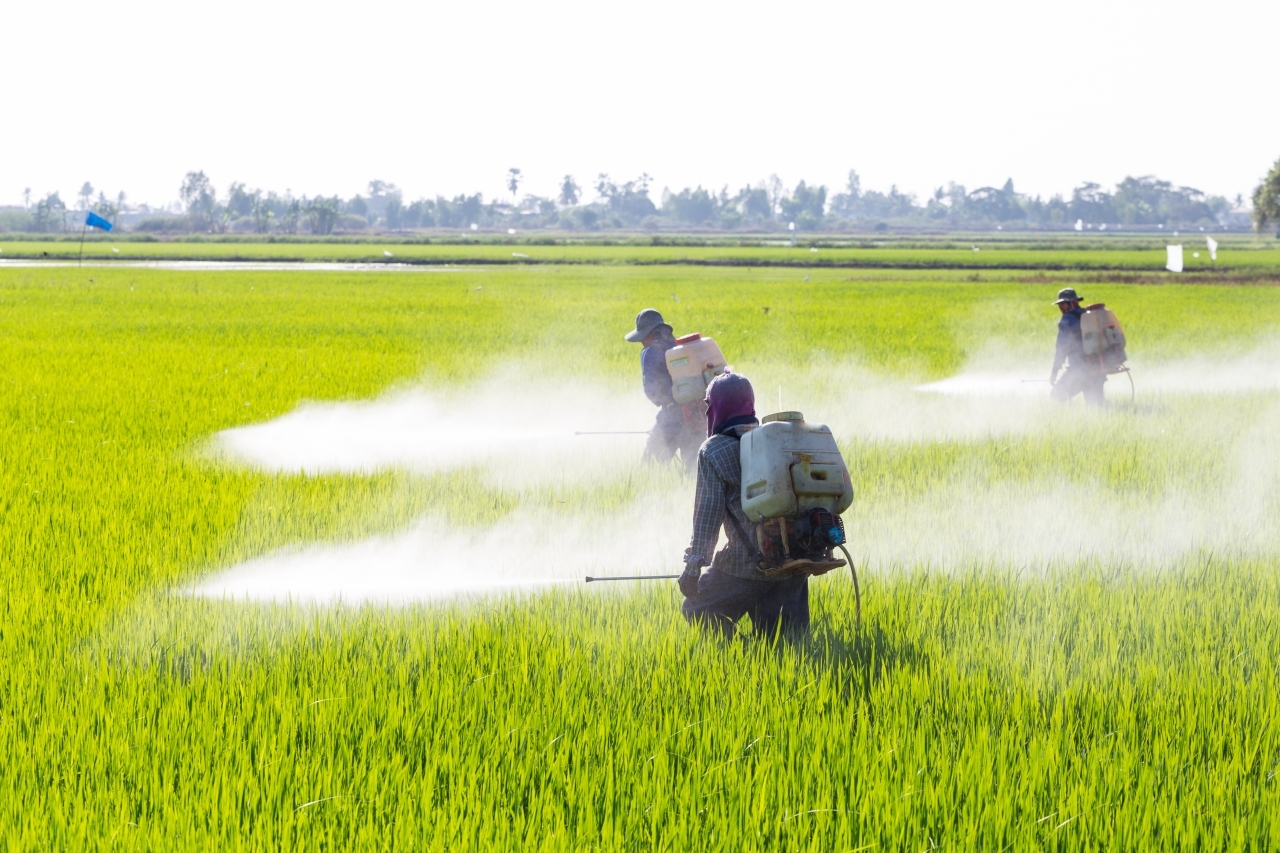
On February 8th, 2017, Premier Li Keqiang presided over an executive meeting of the State Council, during which the draft of the revised Regulations on Pesticide Administration was released. The draft document focuses on the quality and safety of agricultural products.
2017-01-11
Brazilian MAPA Suspended Approval of 63 Fungicides targeting Soybean Asian Rust
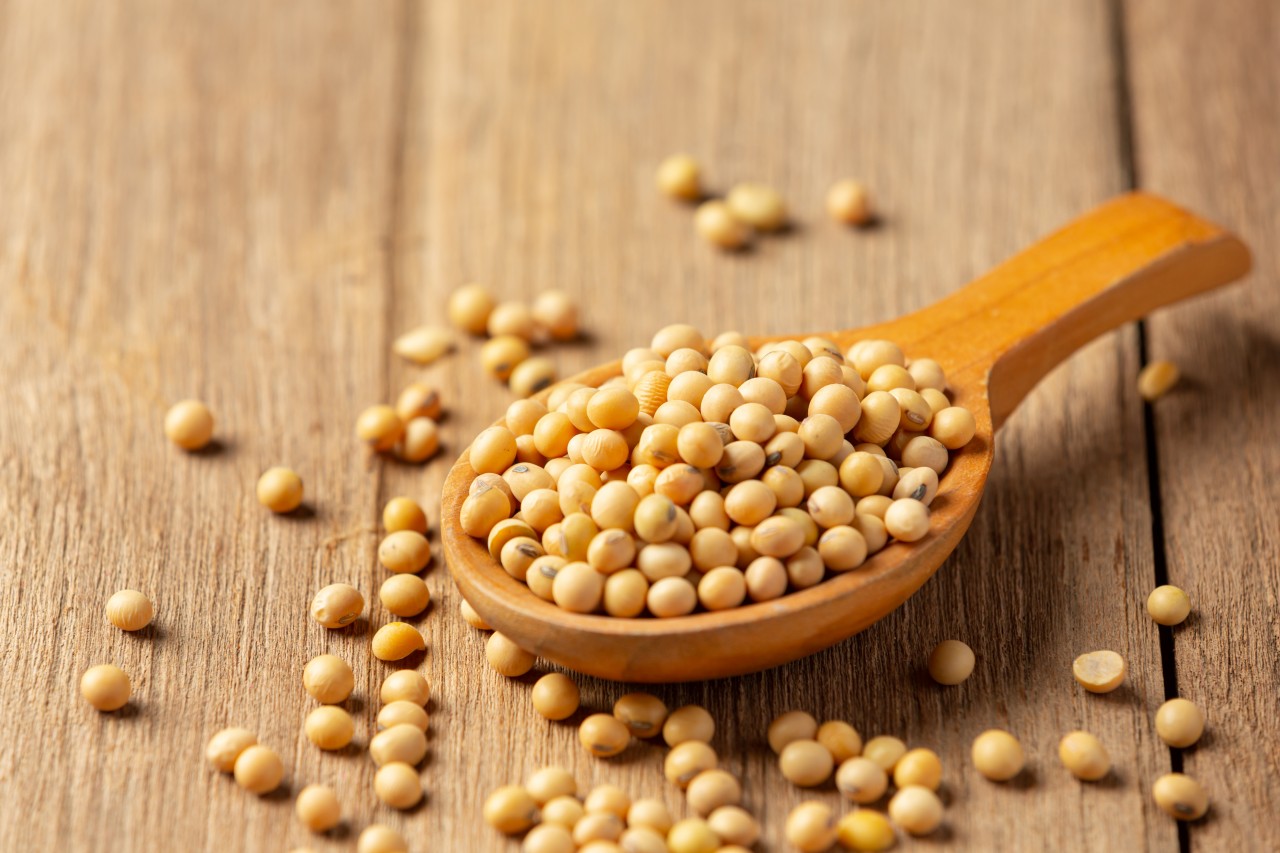
On 21 Dec 2016, the Brazilian Ministry of Agriculture, Livestock and Food Supply(MAPA) issued a departmental measure on the Federal Official Gazette to suspend the authorization of 63 fungicides registered for Asian rust (Phakopsora pachyrhizi) in soybean. The affected products shall have the recommendation excluded from pesticide label and user manual within 90 days of the announcement.
Most Popular
Opinions or requests
Please enter your opinions or requests regarding this site in the space below.
Submit