



2013-07-29
Taiwan to Revise the Rules for Spot-Check on Pesticide Residues
On July 16, 2013, Taiwan Council Agricultural (COA), Executive Yuan has issued the Announcement 1021487246 to invite public comments regarding amendments to the rules for the spot checking on pesticide residues.

2013-07-25
China to Control the Fumigant Residues in Overseas Grain Carrier
On Jul 2, 0213, China AQSIQ released the Announcement 83 of 2013 to control the use of fumigant in overseas grain carriers. The measures were formulated to protect the field staff of the entry port and prevent food contaminations caused by the uses of fumigant during the transportation. The overseas cargo vessel which transport the grains into China are required to clear the fumigant residue in the ship and notify the handling of fumigant in written form, otherwise, the grain carrier will be forbidden from entering the port or the entry inspection.

2013-07-23
China Glyphosate Export Soar in H1 2013
During the first half of 2013, the volume and value of China’s glyphosate export have increased by 27.22% and 76.12% and the figure is still climbing. However the rat race led by the production expansion after price elevation looked more fearful to the industry. According to a recent symposium held by CCPIA, the rising price might be a short momentum as the market would soon become oversupplied by the producers. Furthermore, the industry is nervous about the recently enacted environmental verification (See ChemLinked News release on May 28 2013 ) and Wynca’s polluting case.(See ChemLinked News release on Jun 26 2013 )

2013-07-22
10 Bans and 39 Restrictions on Formulated Pesticides in Taiwan
On July 12, 2013, Taiwan Council of Agricultural (COA), Executive Yuan issued the Announcement 1021487227 and the Annoucement 1021487233 to ban 10 and restrict 39 formulated pesticide.

2013-07-18
Registration of Minor Use Pesticide to be Facilitated
Minor crops are high in value but usually not widely grown. Therefore, it is usually not profitable for private business to register the pesticide for minor crops as the low sales are insufficient to cover the cost of collecting data for pesticide registration. The situation is not only challenging China’s pesticide management but also growth of agricultural economy.

2013-07-10
U.S. EPA Periodically Reviews of 19 Pesticide Active Ingredients
The US EPA is opening the public comment for registration review of 19 pesticide active ingredients, which are scheduled for EPA’s periodic reviews to ensure that the pesticide continues to satisfy the registration status. Meanwhile, EPA also announces the registration review case closure for oxydemeton-methyl and resmethrin.

2013-07-08
China MoA Renewed the Distribution Directory of Agricultural Pests
On July 27 2013, the MoA circulated two lists regarding the distribution of agricultural pests in different administration areas. Both the “National Distribution Directory of Agricultural Phytosanitary Pests within Administrative Areas (2012)” and the “National Directory of Provincial Administrative Area Burst with Agricultural Phytosanitary Pests (2012)” were compiled under the “Regulation of Plant Quarantine” and the survey of the agricultural pests in China.
2013-07-05
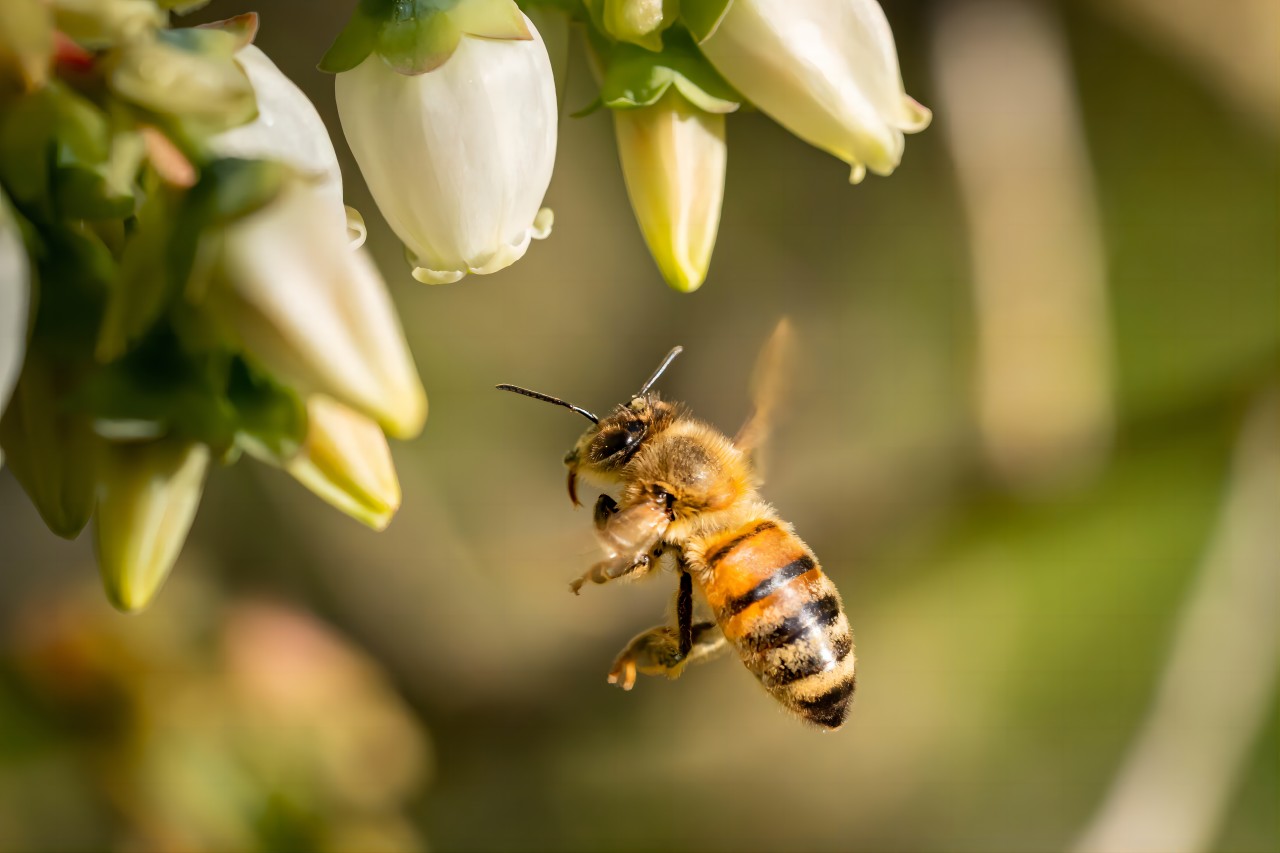
China Mulls over Risk Assessment of Neonicotinoids Insecticide on Bee
After EU’s restriction on three neonicotinoid pesticides which are believed to harm bees, China adds on its concern on the restriction on neonicotinoids as well. On 1 July 2013, dozens of experts have been summoned up by ICAMA to discuss the future control initiatives upon neonicotinoid insecticides.

2013-07-03
New Zealand: Decision on Reassessment OPC Insecticides Released
On 27 June 2013, the New Zealand EPA released their decision on reassessment of organophosphate and carbamates-based (OPC) insecticides. The Committee decided that OPCs use in the indoor applications by unqualified user should be discontinued due to its inherent toxicity. For agricultural applications, their use should be allowed to continue with additional controls imposed to diminish the risk to people’s health and the environment.

2013-07-01
CCPR Priority Lists: New Arena of Agrochemical MNCs and Agrarian Countries
Serving as a universal basis for international legislation, the food safety standards under the Codex Alimentarius (CAC) have far reaching implications for resolving trade disputes among the WTO members. The Codex Committee on Pesticide Residue (CCPR) is responsible of establishing, revising and revoking pesticide MRLs in food and preparing schedule of MRLs setting ( also known as the Priority Lists) for evaluations by the JMPR (Joint FAO/WHO Meeting on Pesticide Residues), which play an important role of the MRL establishment. During the development of priority lists, stakeholders engaged in fierce negotiations to protect their interests.
Most Popular
Opinions or requests
Please enter your opinions or requests regarding this site in the space below.
Submit