



2013-05-20
ICAMA Tests the Environmental Labs with Blind Samples
On May 16 2013, the ICAMA circulated a notice to the concerned labs that they will be proficiency tested. The testing facilities of environmental study for pesticide registration are asked to perform test items on unknown samples and submit the test report to ICAMA. ICAMA will check the report and evaluate whether these facilities are capable of obtaining accurate data for pesticide registration.
 Maximum Residue Limits for Pesticides in Foods (GB 2763-2012): Interpretation and Advice
The GB 2763-2012, which was issued under the joint Announcement 22 of MOA and MOH, has come into force on Mar 1 2013. As the latest compulsory standard, it contains 2293 limits for 322 active ingredients on 10 categories of food commodities, and can also be considered as a replacement of some previous national standards and industrial standards of pesticide MRLs.
Overview of the 2293 MRLs
The GB 2763-2012 set 2253 MRLs for plant-derived food and 40 for animal-derived food, constituting around 98.2% and 1.87% respectively. Vegetables will be subject to the most MRLs, followed by fruits, cereals and cereal products, oil plants and oil products, sugar crops, beverages and edible fungus (see Table 1).
Table 1: Distribution of MRLs in different food categories
GB 2763-2012 vs GB 2763-2005
Compared with the 2005 version, GB2763-2012 has a number of improvements:
1.More explicit in scope, terms and definitions.
The 2005 version provided a precondition that “when producing food or protecting food commodities from pests, the pesticide should be utilized according to the rules of Good Agricultural Practices (GAP)”, which left the loopholes of MRL violations on some food commodities as the poor enforcement of GAP in China. The removal of this precondition has broadened the range of acceptable MRLs. Furthermore, other definitions in 2005 versions which included the “acute reference dose”, “provisional-acceptable daily intake”, and “provisional tolerable daily intake” have been removed as well. An important revision is that the English name/definition of the residue, the “pesticide residue” has been amended as is now reffered to as the “residue definition” (hereafter refer to the “pesticide residue” as “residue definition”). To better explain the MRLs applicable in different crops and food commodities, GB 2763-2012 specified the crop/food ranges in its Informative Annex
2013-05-07
Pesticide for Tea Plantation Poses More Problems
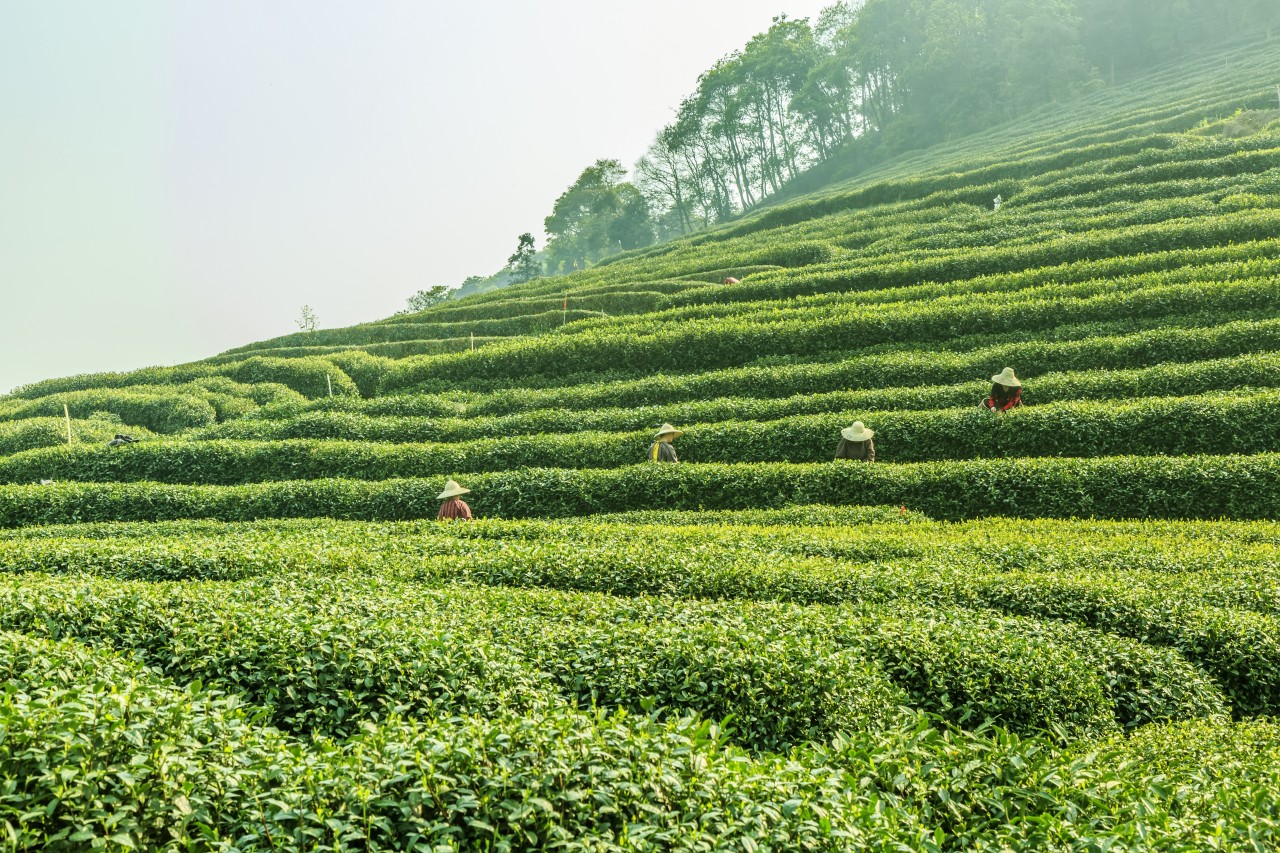
China owns about 2.11 million hectares of tea plantation and the yield has reached 1.62 million tons in 2011. As an important cash crop, the residue problems caused by tea protection products are threatening China’s tea exportation and public health.

2013-05-03
MoA to Initiate New Round of Qualification Review on Labs for ICAMA Registration
On April 24 2013, the MoA issued a notice to the provincial subordinates that a new round of qualification review on pesticide registration labs will be carried out. The testing facilities of efficacy, residue and environmental effect are required to submit their paper application materials to the MoA’s Department of Plantation Management and the ICAMA.

2013-04-22
China Implemented Firstly Toxicological Testing Rules for Microbial Pesticide
According to a source from the ICAMA, China has established its rules of toxicological study for microbial pesticide and the rules have been fully implemented last September, which could be considered as a major step forward in China’s safety evaluation and regulatory practice on bio-pesticide products.

2013-04-18
MoA Calls for Views on More Pesticide MRLs
On April 16, 2013, the MoA solicited opinions on 1280 MRLs of 113 ais in food. Most of the ais have been included in the “Maximum Residue Limits for Pesticides in Food (GB2763-2012)”, which has been implemented on Mar 1 2013. However, the draft covered more crop ranges and some of the MRLs are more suited to the Chinese diet composition and plantation structure.

2013-04-17
ICAMA Registration Certificates Revoked of Four Substandard Products
On April 15 2013, the MoA published a news release on its website that it has issued an administrative condemnatory recently. The ICAMA registration certificates of four pesticide companies have been revoked for manufacturing the counterfeit or substandard crop protection products.

2013-04-16
China Softening Environmental Requirement on Glyphosate Producers
As the largest glyphosate producers in the world, China’s most rigorous effluent standard of glyphosate producers would be abandoned because the industry remains vehemently opposed to the regulatory changes fearing the financial repercussions to come in the wake.
 Biopesticide Development in China Hindered by Regulatory Uncertainty
Pesticide residue problems and food safety scandals have proved fertile ground for the growth of the biopesticide sector in China's crop protection industry. Addiontally favourable legislation and regulations are designed to prioritize innovation in this sector. Buzz words surrounding the biopeticide industry in China such as, “data exemption” and “faster approval process” have been frequently mentioned by industry experts and ICAMA officials. Yet statistically, of the 14 applications denied full new pesticide registration in the second half year of 2012, 8 were submitted as bio-pesticide products. A key failing of these applications was the data submitted in the registration dossier. Insufficient communication between regulators and industry is a key factor in the poor performance of the biopesticide sector.
Data Requirement for Biopesticide
The supporting document, “Data Requirements on Pesticide Registration” which came into force on 8 Jan, 2008, has explicitly detailed the data requirements of different types of application. As for new bio-pesticides, the requirement falls under the Chapter IV, “Registration for New Special Pesticides”. Generally, biochemical pesticides, microbial pesticide, botanical pesticide, GMO and predator species are classified as bio-pesticide. As the above types of bio-pesticide are distinct in nature and properties, their differences or similarities during registration are demonstrated in Table 1 and table 2
Excerpt of Table 1
For full content of Table 1, click here to Download.
Excerpt of Table 2
For full content of Table 2, click here to Download.
Regulatory Amendment on the Way
To foster the development of the biopesticide industry, the Ministry of Agriculture issued a revised draft for data requirement on pesticide regulation in April 2011:
The antibiotics for farm use will be regarded as biopestici

2013-02-05
17 Full-component Analysis Labs for ICAMA Registration Approved
On 24 Jan 2013, the Ministry of Agriculture published the Announcement No. 1891 to grant testing qualification for pesticide registration. The 17 testing facilities are allowed to conduct full-component analysis for pesticide technical materials in the next three years. Of the 17 facilities, 10 of them are Chinese GLP qualified and therefore entitled as “GLP-Compliant” institutions. (See table 1).
Most Popular
Opinions or requests
Please enter your opinions or requests regarding this site in the space below.
Submit