


2015-11-12
Elimination Date of Highly Toxic Pesticides has been Determined
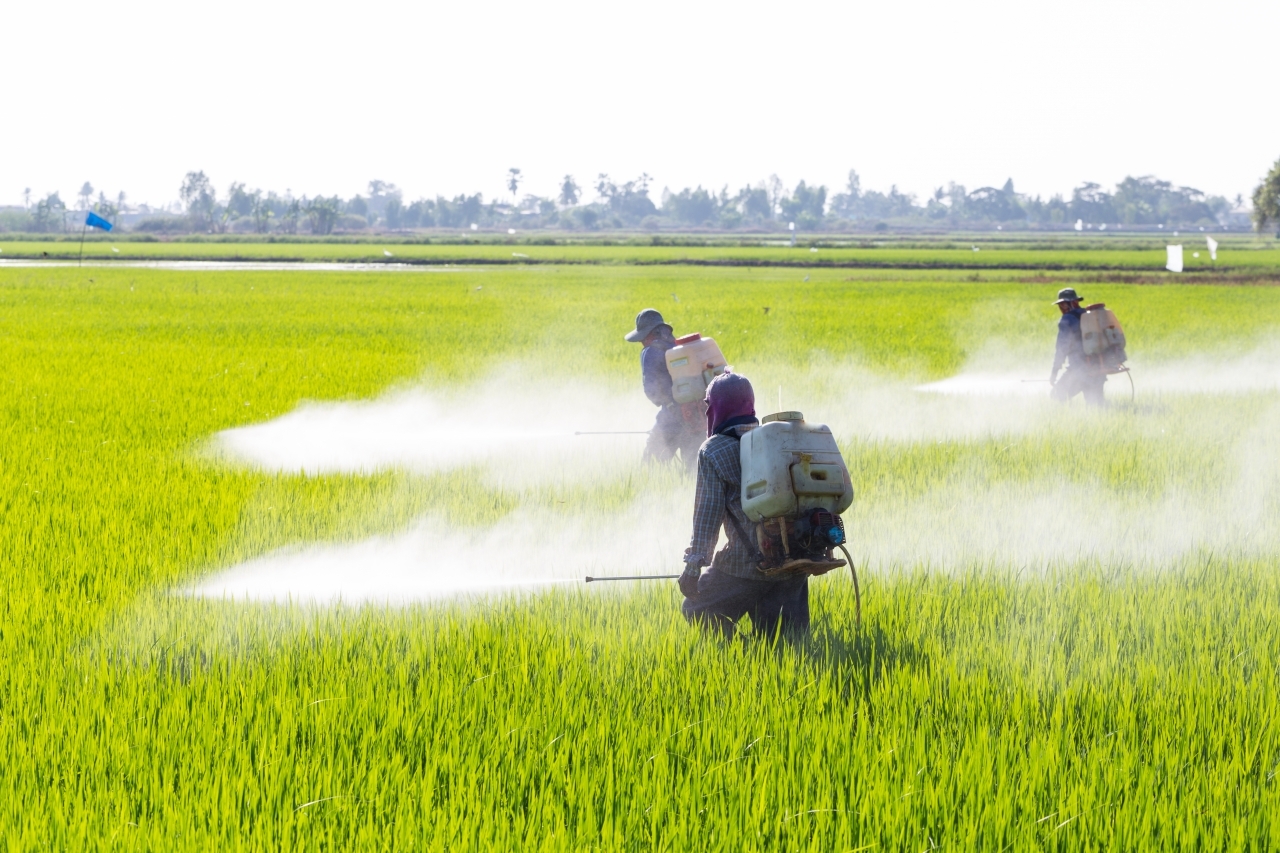
The development of pesticide industry of China has only gone through several decades, even though China has become one of the largest pesticide production and exportation countries, there still exits big gap comparing with developed countries. The main gap falls on the production and application of highly-toxic pesticides and large scale of old products. 33 types of highly toxic pesticides have been banned step by step since 1980s, and only 22 registered types of highly toxic can be used now.

2015-05-15
Trend of China Pesticide Registration on the Off-Patent Active Ingredients
From 1 January 2013 to 20 April 2015, China ICAMA received almost 15,000 applications for field trial, which is an essential part of obtaining pesticide registration in China, of which 10,234 of them were based on the off-patent or the sub-new active ingredients.The number the application filed by over-seas applicants was relatively small, reflecting the Chinese producers are inflating expectation on the off-patent market.
 China’s Top 100 Companies and Top 10 Best Selling Local Pesticides in 2014
The total sales of the top 100 were 106.33 billion CNY, an increase of 9% on the previous year of 97.92 billion CYN. The qualifying criteria for the top 100 ranking list required a minimum of 350 million CYN per annum turnover, reflecting growth of 17% compared with 2013. 36 of thenm have reached sales of more than 1 billion CNY.

2015-05-05
China MEP Drafts Pesticide Waste Packaging Regulation
On the 14th of April 2015, China MEP released a draft of “ Interim Measures for the Package Waste Recycling and Disposal of Pesticide” and is currently soliciting opinions from other ministerial authorities. Under the new regulation both pesticide importers and producers will be required to collect and dispose of waste pesticide packaging and other packaging waste.

2015-04-16
Brazil ANVISA Clarifies Status of 5 Carcinogenic Pesticides
On 20 Mar 2015, the International Agency of Research on Cancer (IARC) announced the carcinogenicity classification of five pesticides. The Brazilian National Agency of Sanitary Surveillance (ANVISA) consequently clarified the regulatory status of each of the 5 active ingredients in Brazil with a particular focus on current and future regulation of glyphosate.

2015-04-02
Philippines Implements Blanket Ban on Endosulfan
The Philippine Fertilizer and Pesticide Authority (FPA) passed a resolution in late January, banning Endosulfan technical and its alpha and beta isomers and other formulations.
2015-04-02
Taiwan to Exempt 6 Pesticides from Registration Requirements
On the 25th of Feb 2015, Taiwan BAPHIQ (Bureau of Animal and Plant Health Inspection and Quarantine, Council of Agriculture, Executive Yuan) invited public consultation on the exemption of 6 pesticides from registration requirements.

2015-03-26
Overview of Thailand Agricultural Pesticide Importation in 2014
Thailand agricultural pesticide imports soared over 70% to 22.813 billion Baht (702 million USD at the current rate) by the end of 2014. Compared with the previous year, the number of the imported pesticide active ingredients/combinations increased from 210 to 253. Herbicide was by far the most imported pesticide category, which accounted for 80% of the total volume, followed by Insecticide (9%) and fungicide (8%).

2015-02-13
Thailand Agricultural Pesticide Imports Valued at 582 million USD in 3Q 2014
During the first three quarters of 2014,the total value of Thailand’s agricultural pesticide imports reached 581.9 million USD amounting to some 123,096 tons. In total 238 individual pesticide products were imported into Thailand. Almost 62% of all imports were herbicides, followed by fungicides at 18% and insecticides at 17%.
 Indonesia Pesticide Management and Registration Procedure
Although Indonesia is one of the world’s major agricultural countries, in terms of its domestic capacities it lacks many of the basic agricultural inputs particularly in its indigenous pesticide industry. Indonesia’s pesticide industry is highly dependent on importation. In 2012 Indonesia’s pesticide market was valued at approximately 400 million USD. About 64% of Indonesia’s market was controlled by MNCs and the largest pesticide consumers by sector were rice cultivation (41%) and palm plantation crops (27%).
Most Popular
Opinions or requests
Please enter your opinions or requests regarding this site in the space below.
Submit