



The Pest Management Regulatory Agency (PMRA) of Canada approved 386 pest control products in 2025, marking a significant milestone in the country’s pesticide regulatory landscape. Of these approvals, herbicides dominated with 176 products, followed by fungicides (72) and insecticides (52).
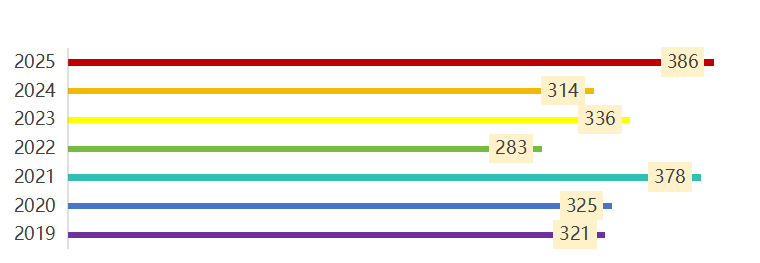
Agricultural Pesticides Occupy the Major Market
Agricultural pesticides continue to dominate the Canadian market, accounting for 70.1% of total pesticide usage, as reported in PMRA’s 2023 pesticide sales report. Within this category, herbicides, fungicides, and insecticides collectively made up 94.2% of agricultural pesticide sales. In 2025, PMRA approved 300 agricultural pesticide products involving 117 active ingredients and their combinations.
Key Active Ingredients:
· Herbicides: GLYPHOSATE (PRESENT AS POTASSIUM SALT) led the approvals with 15 products, reaffirming its essential role despite global controversies. Other widely approved herbicides included 2,4-D (12 products), glufosinate-ammonium (9), and saflufenacil (6).
· Fungicides: PROTHIOCONAZOLE, a triazole-class fungicide, topped the list with 12 approvals, including both single-ingredient and combination products with other actives like fluopyram and pyraclostrobin.
· Insecticides: CHLORANTRANILIPROLE, a popular insecticide, saw an increase in approvals from 4 in 2024 to 11 in 2025, reflecting its growing significance in pest control.
Active Ingredient | Approve Number | Pesticide Category |
GLYPHOSATE (PRESENT AS POTASSIUM SALT) | 14 | Herbicide |
PROTHIOCONAZOLE | 12 | Fungicide |
CHLORANTRANILIPROLE | 11 | Insecticide |
FLUROXYPYR (PRESENT AS 1-METHYLHEPTYL ESTER) | 10 | Herbicide |
GLUFOSINATE-AMMONIUM | 9 | Herbicide |
CLETHODIM | 8 | Herbicide |
PINOXADEN | 7 | Herbicide |
PYRACLOSTROBIN | 7 | Fungicide |
DIQUAT (PRESENT AS DIBROMIDE) | 6 | Herbicide |
SAFLUFENACIL | 6 | Herbicide |
Eighteen companies account for half of the market
In 2025, 114 companies received PMRA product approvals, with 18 companies obtaining over half of the total. Syngenta Canada Inc. led with 23 approvals, followed by Sharda Cropchem Limited (17) and Northern CropScience Inc. (16).
Company | Number of Approvals |
SYNGENTA CANADA INC. | 23 |
SHARDA CROPCHEM LIMITED | 17 |
NORTHERN CROPSCIENCE INC. | 16 |
STERLING INTERNATIONAL, INC. | 14 |
INTERPROVINCIAL COOPERATIVE LIMITED | 12 |
Market Trends and Future Directions
The climate conditions in Canada are relatively cold, combined with high mechanization and slower pesticide resistance development, continues to support traditional pesticide products. Observing recent approval trends offers insights for market forecasting and product development strategies. For instance, chlorantraniliprole and prothioconazole remain consistent market leaders, while emerging demand for actives like fluroxypyr and saflufenacil could shape future product registrations.
2024 | 2025 |
CHLORANTRANILIPROLE | CHLORANTRANILIPROLE |
GLUFOSINATE-AMMONIUM | PROTHIOCONAZOLE |
PROTHIOCONAZOLE | PYROXASULFONE |
PINOXADEN | SAFLUFENACIL |
PYRACLOSTROBIN | FLUROXYPYR (PRESENT AS 1-METHYLHEPTYL ESTER) |
DIQUAT (PRESENT AS DIBROMIDE) | CLETHODIM |
CLETHODIM | DIQUAT (PRESENT AS DIBROMIDE) |
SULFENTRAZONE | FLUMIOXAZIN |
2,4-D (PRESENT AS LOW VOLATILE ESTERS) | GLUFOSINATE-AMMONIUM |
GLUFOSINATE-P-AMMONIUM | MESOTRIONE |
Compliance Advice
With the growing complexity of pesticide regulations, companies aiming to enter or expand in the Canadian market should consider the following:
· Strategic Registrations: Focus on active ingredients with strong market demand, such as glyphosate and chlorantraniliprole.
· Data Preparation: Conduct thorough data gap analyses and ensure compliance with PMRA’s scientific and regulatory requirements.
· Local Representation: Engage a qualified Canadian agent for regulatory submissions and annual compliance services.
Conclusion
The record-breaking pesticide approvals in 2025 underline Canada’s dynamic agricultural market and its reliance on innovative pest control solutions. Companies should leverage these insights to align their strategies with market demands and regulatory developments. Looking ahead, active ingredient trends and the competitive landscape will likely influence product portfolios and investment decisions in the Canadian agricultural sector.


Most Popular
- 1 EU Imposes Strict Regulatory Measure: 12 Pesticide Co-formulants Added to Banned List
- 2 Vietnam to Officially Abolish Quality Pre-Inspection for Imported Fertilizers Starting July 1
- 3 EU Advances TFA Hazard Classification: Companies with Fluorinated Pesticide Portfolios Should Assess Metabolite Compliance Risks Early
- 4 South Korea Issues Guidelines on Establishing Biocidal Product Names, Clarifying Rules on Identical Names, Additional Names, and Prohibited Expressions
- 5 Brazil Launches Sispa: A Unified Digital Platform for Pesticide Registration